
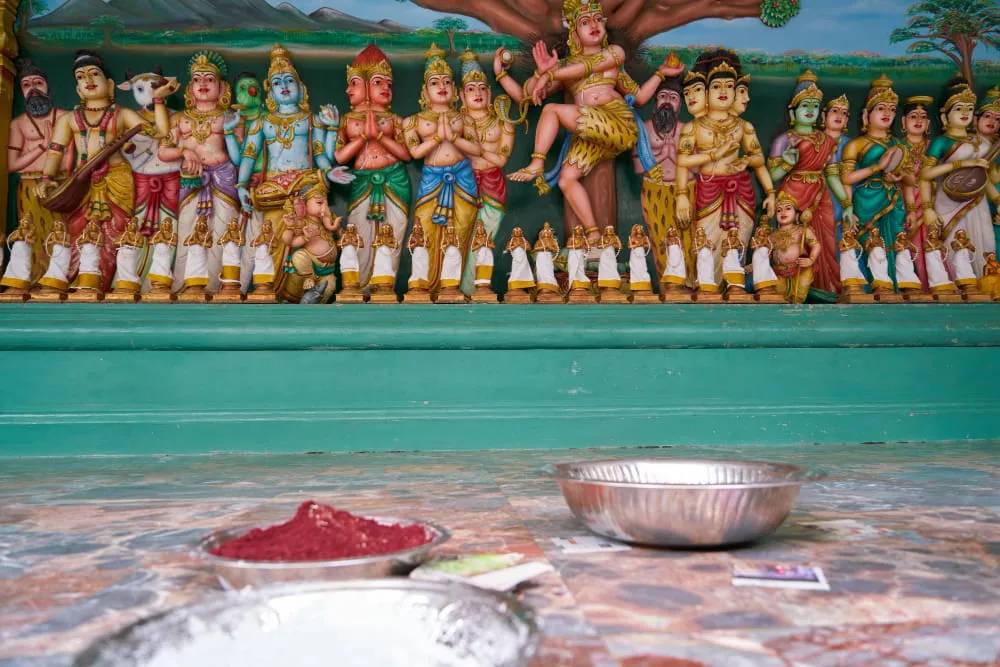
108 Divya Desams
Explore the sacred 108 Vishnu temples praised by the Alwars (Azhwars) — the great Vaishnavite saints of South India.
- 108 Temples
- 14 Regions
- Sacred Heritage
Explore Temple Regions
Discover the sacred Divya Desam temple regions
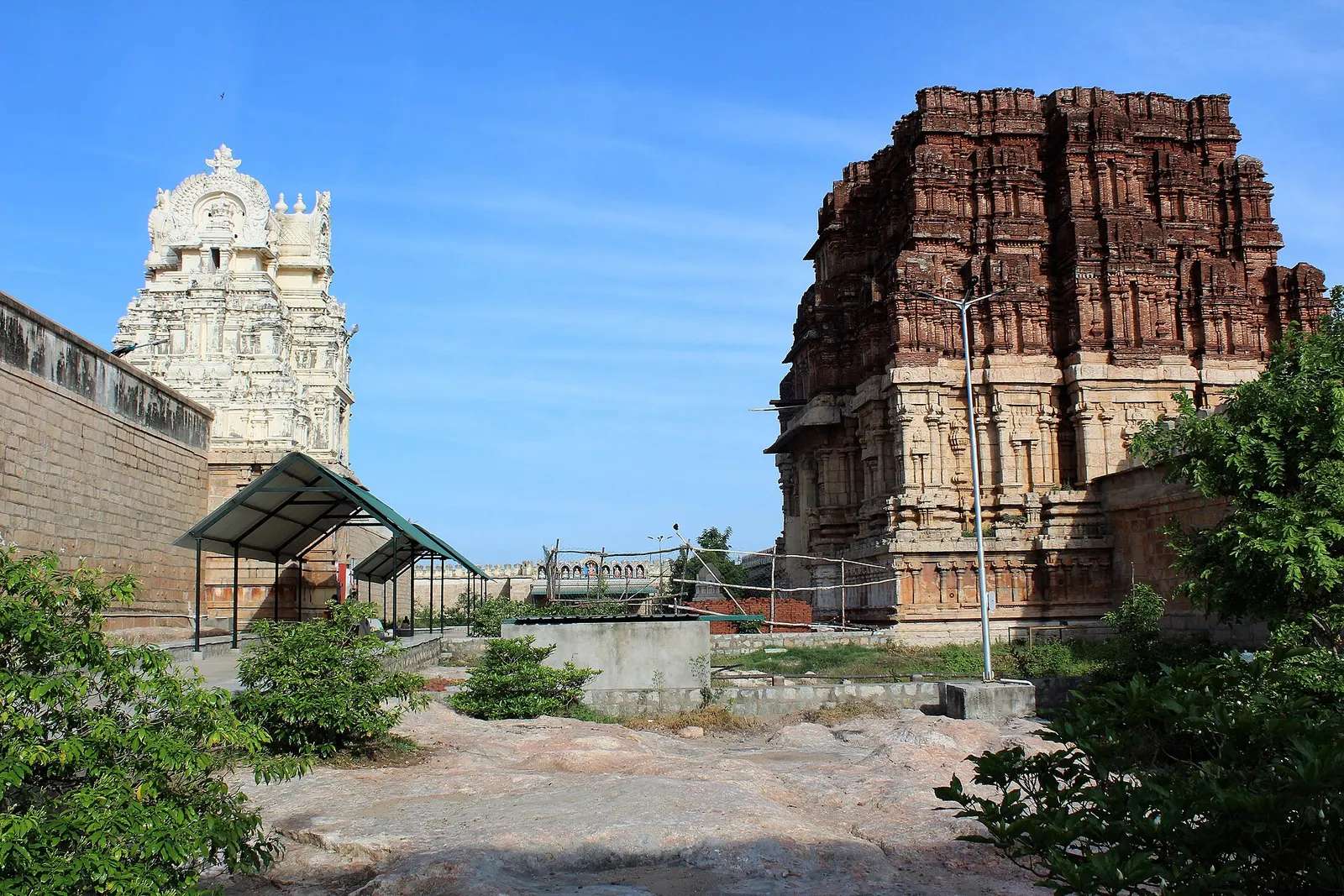
Divya Desams in Trichy
Visit six Divya desams in and around Trichy. Visit all 5 in the first half and Sri Rangam in the second half.
Explore →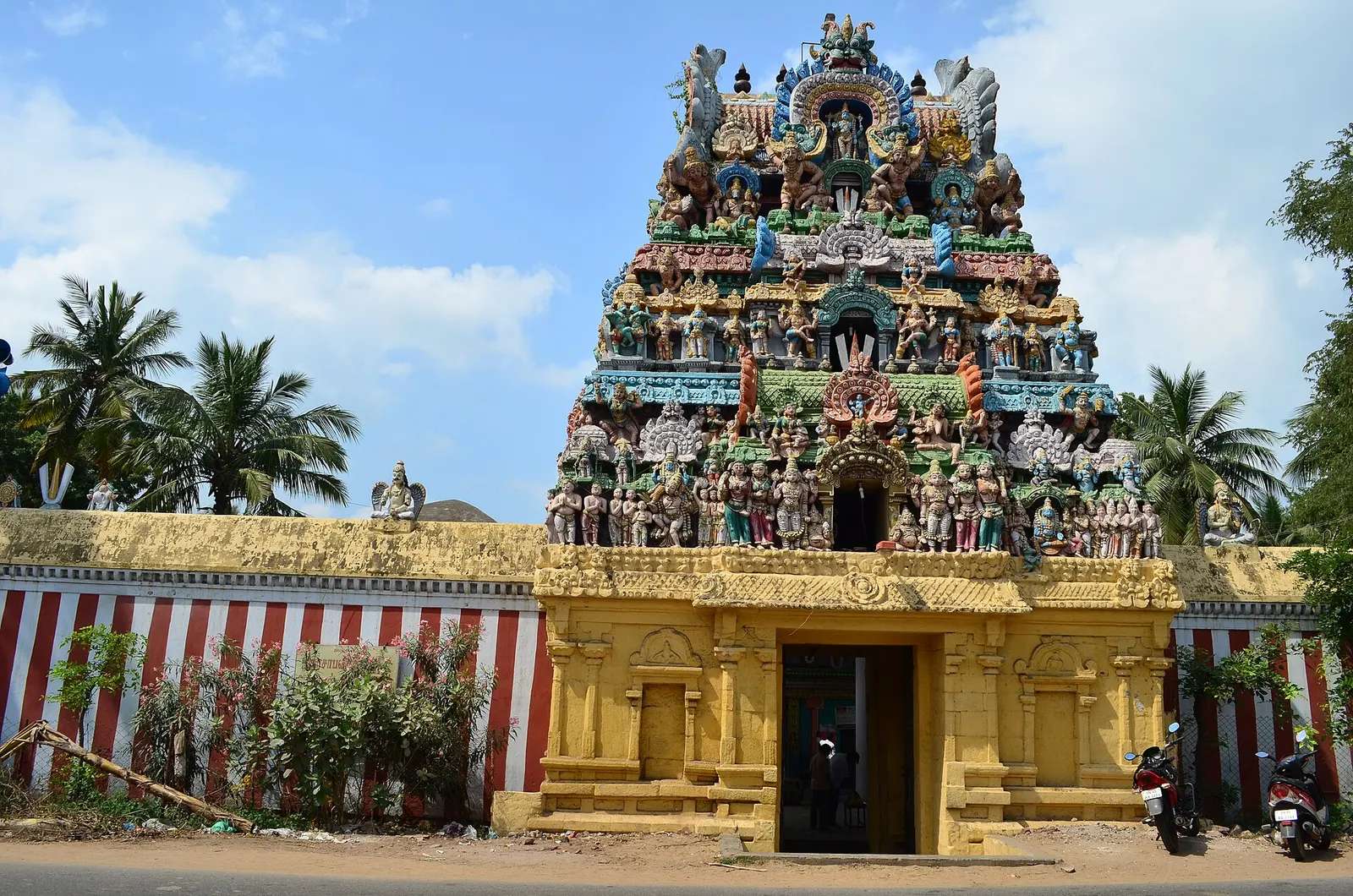
Thanjavur Divya Desams
Visit six Divya desams in and around Tanjore. A must see for all devotees of the Lord!
Explore →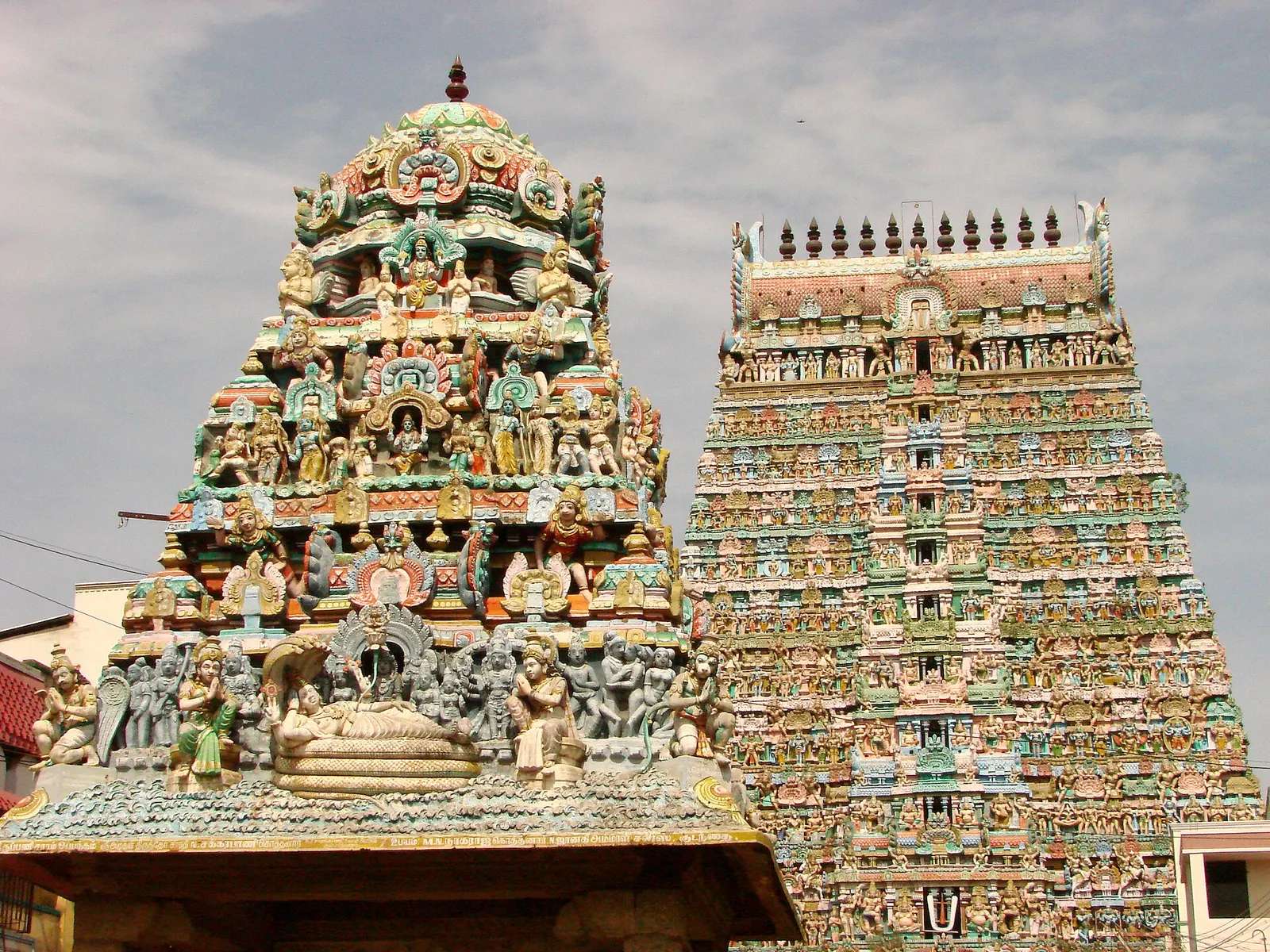
Kumbakonam Divya Desams
Kumbakonam, one of the oldest towns in Tamil Nadu, the famous temple town picturesquely located amidst Cauvery & Arasalar rivers.
Explore →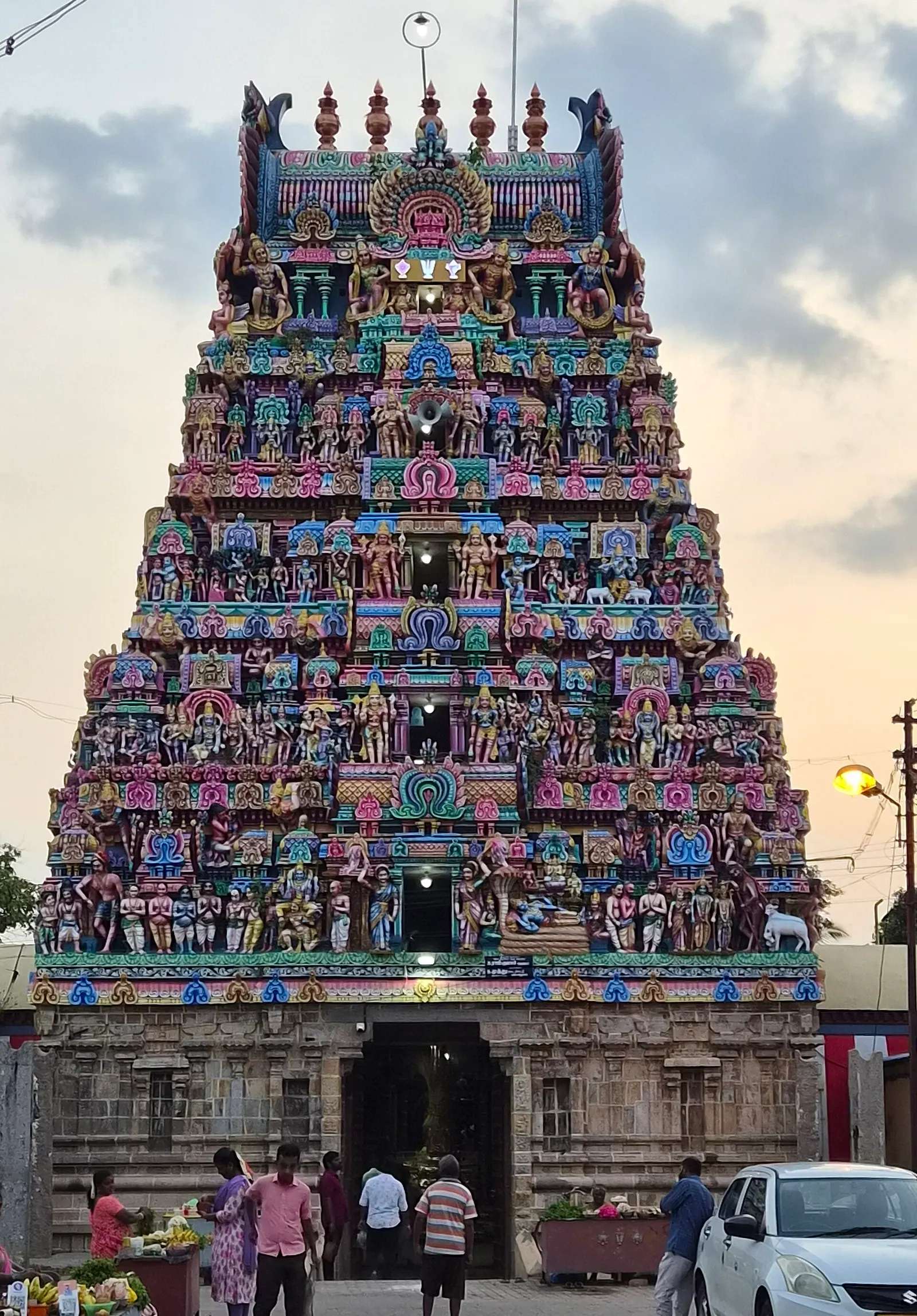
Mayiladuthurai Temples
A town in Nagapattinam district, 60 km from district headquarters and 281 km from Chennai.
Explore →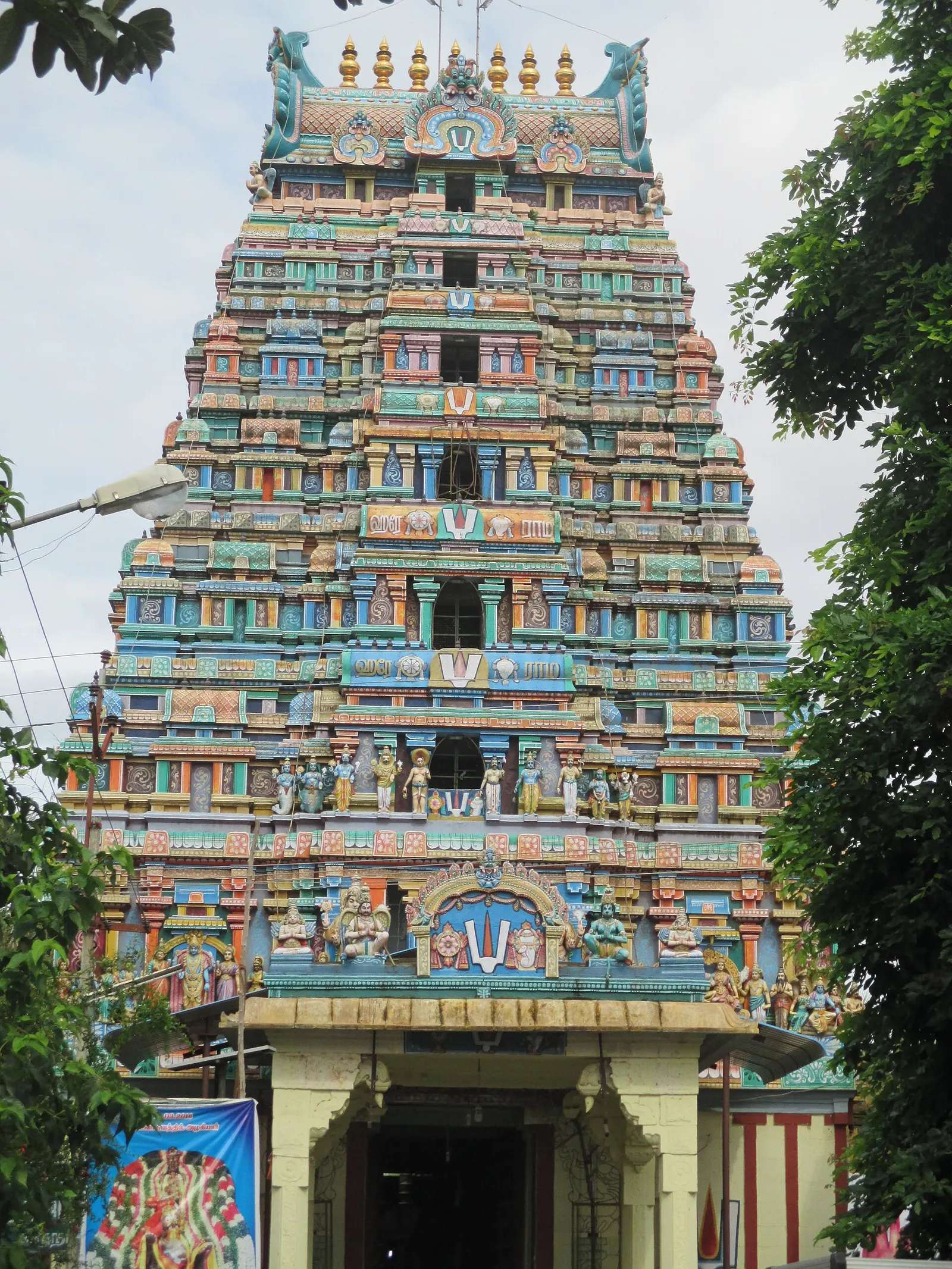
Nagappattinam Temples
One of the constituents of Chola Mandalam. King Karikalan renovated and built the renowned port of Poompuhar.
Explore →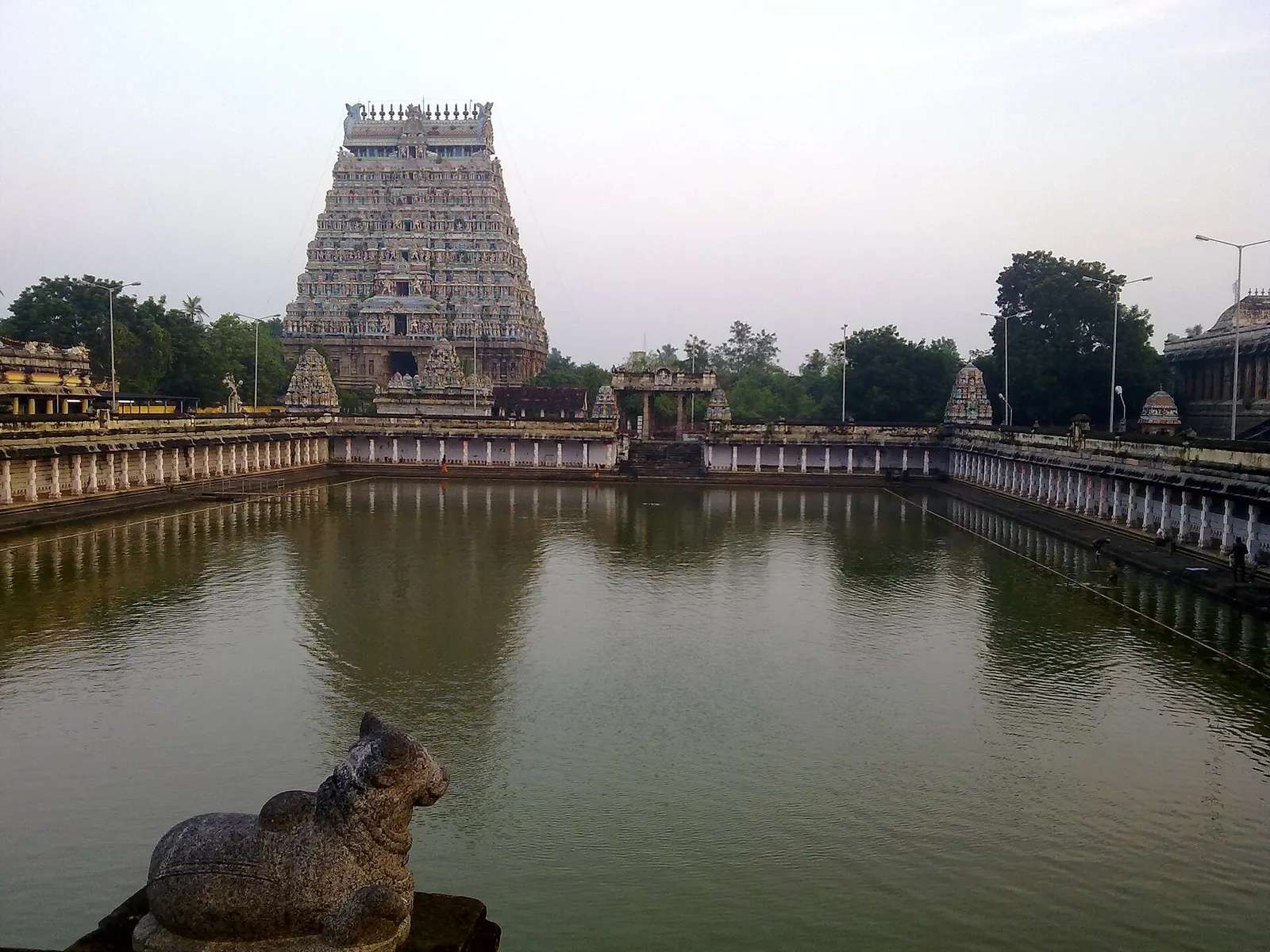
Temple in Chidambaram
Hindu temple dedicated to Lord Shiva in the heart of Chidambaram, 78 km south of Pondicherry.
Explore →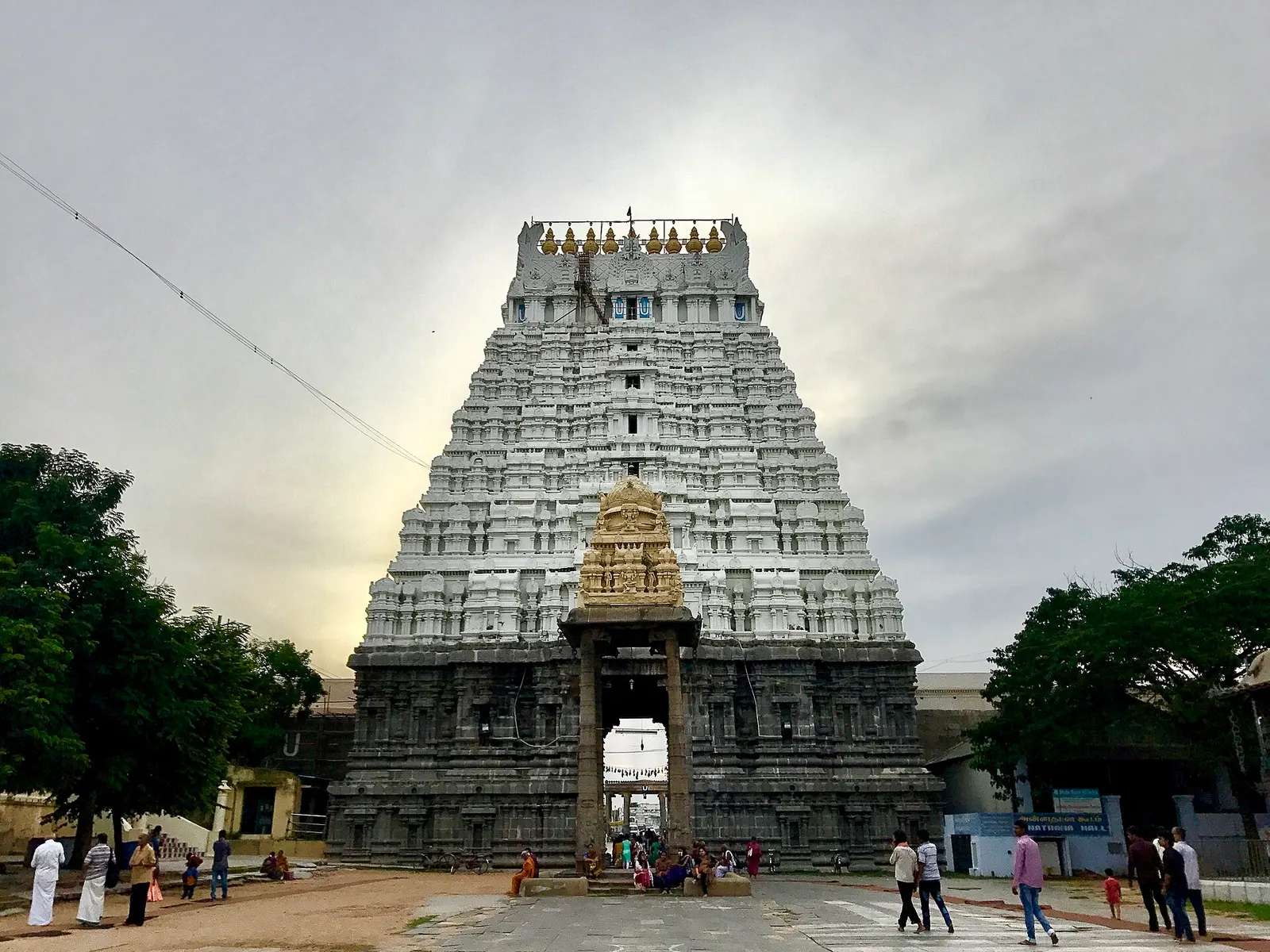
Kanchipuram Divya Desams
Kanchipuram otherwise known as Kanchi, 72 km from Chennai, the capital of Tamil Nadu.
Explore →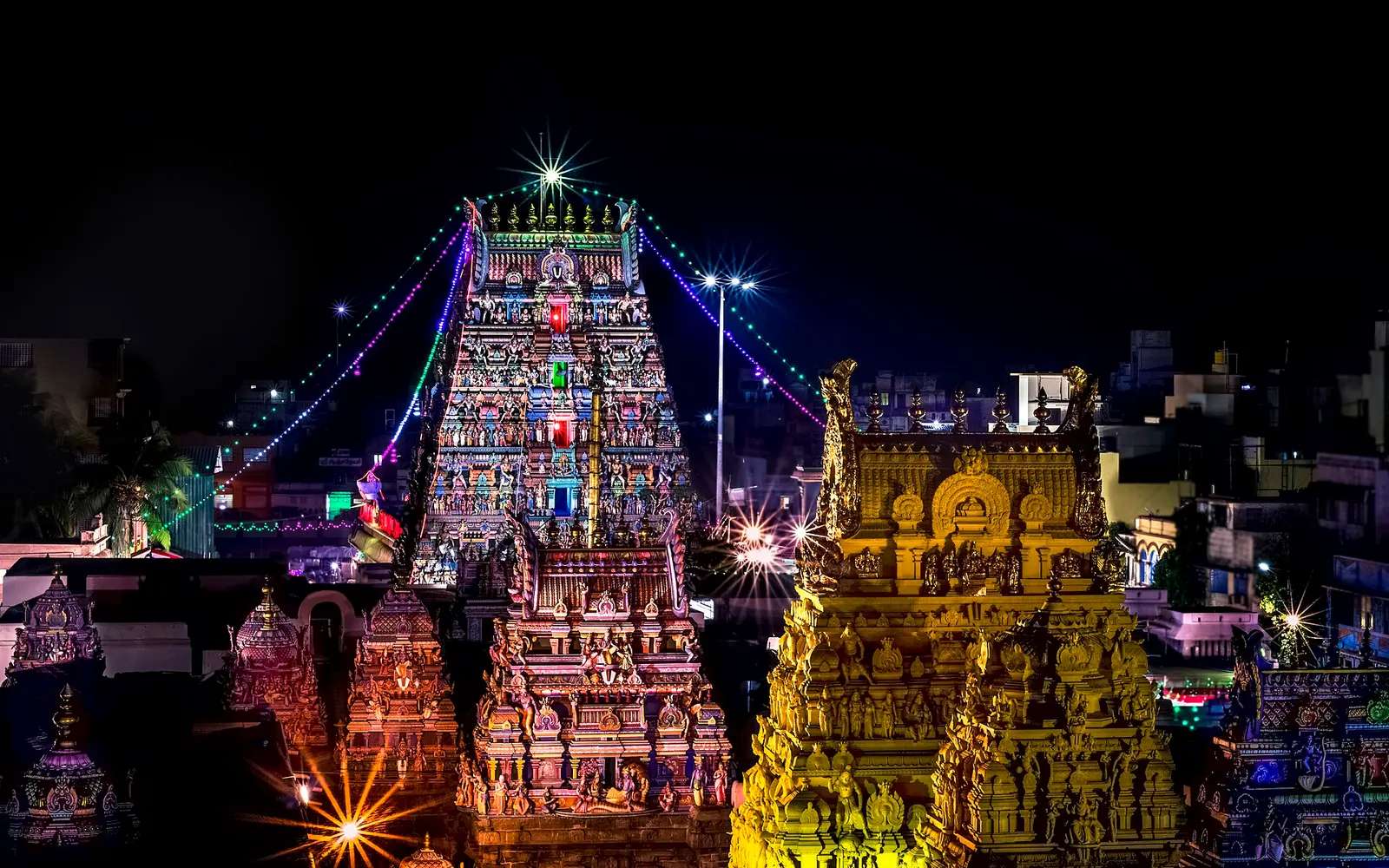
In and Around Chennai
The Neervanan Perumal Temple at Thiruneermalai, Chennai suburb is one of the Divya Desams.
Explore →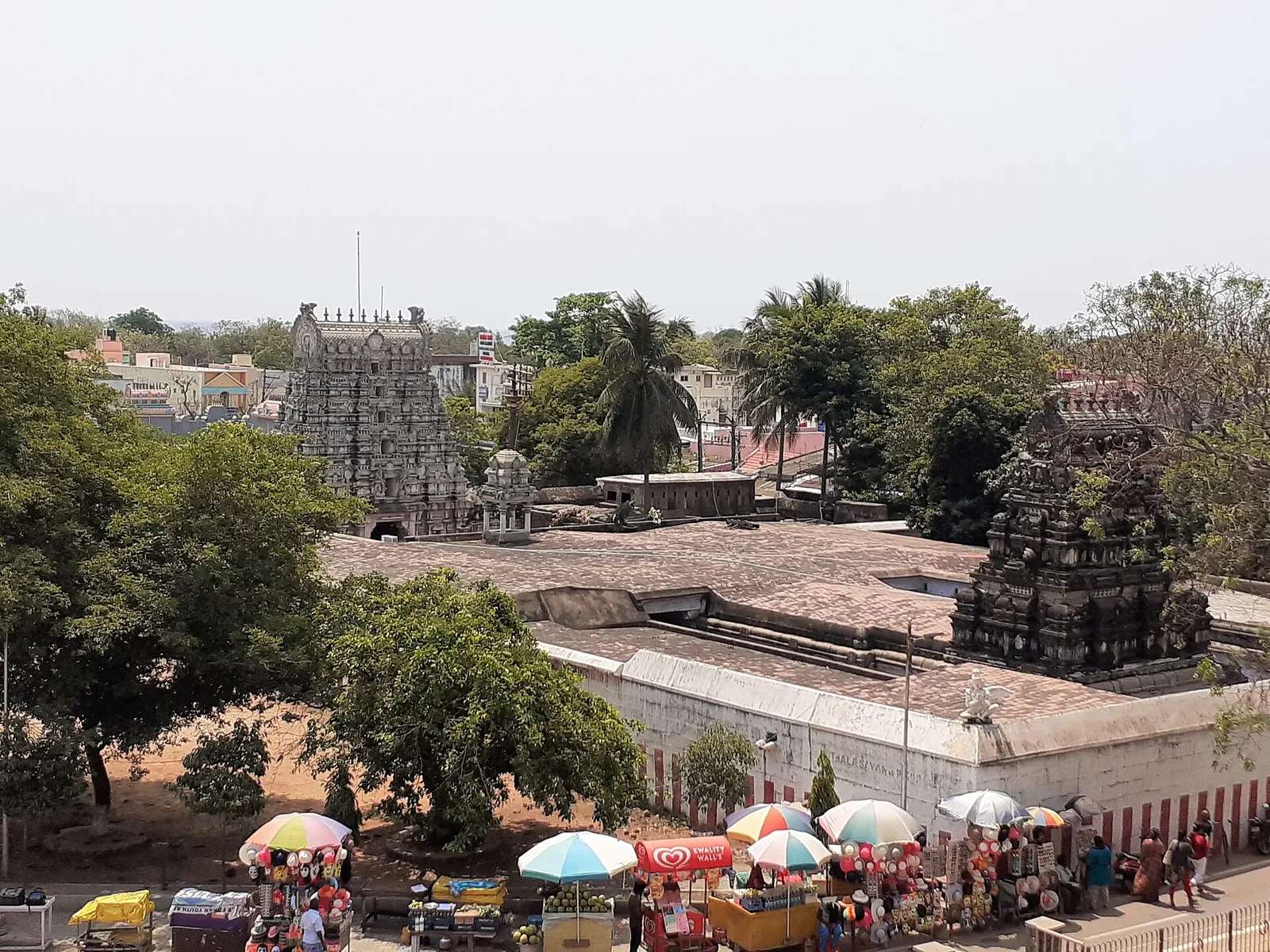
Around Mahabalipuram
Thirukadalmallai, also called Mahabalipuram. Visit two Divya desams in and around Mahabalipuram.
Explore →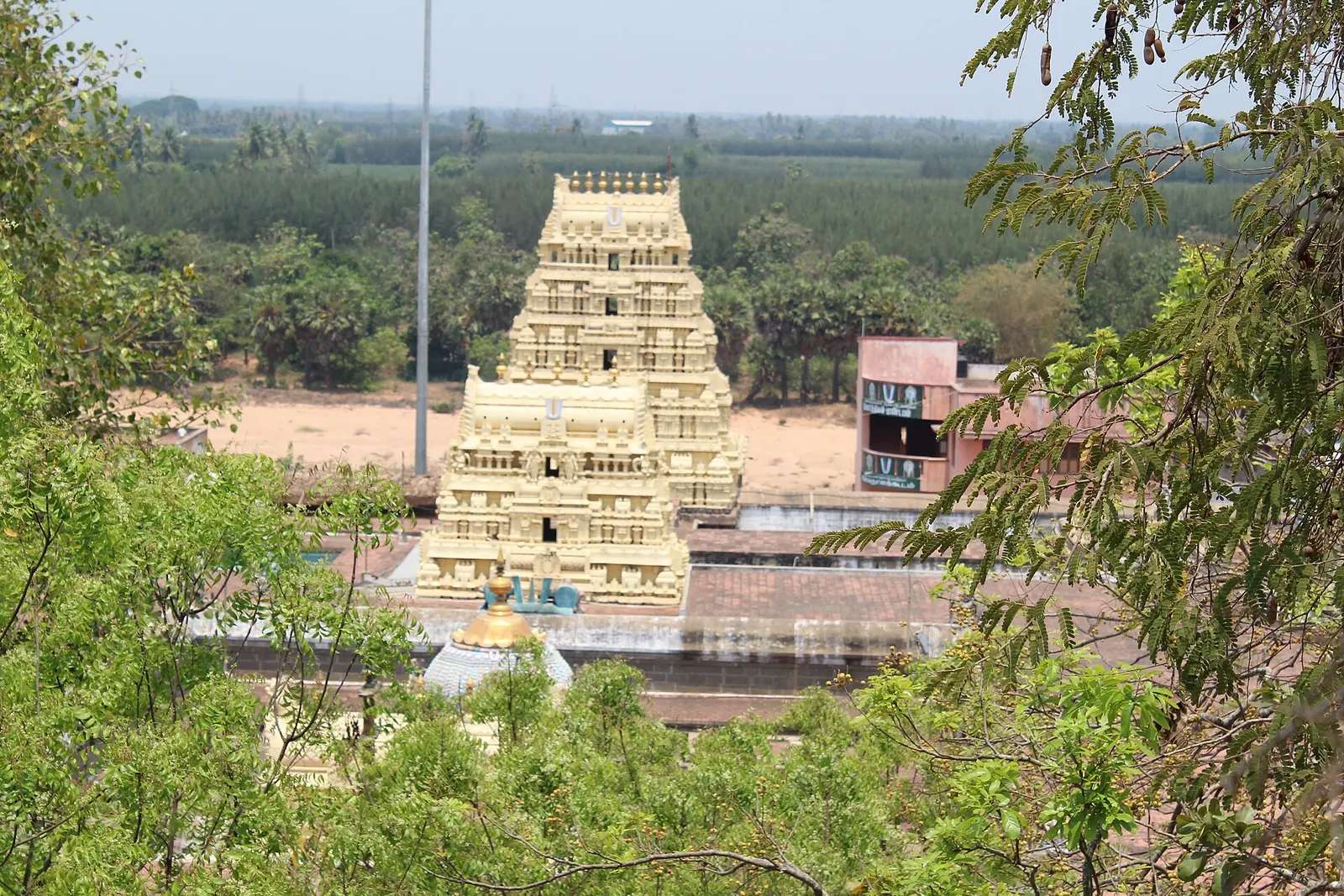
Nadunadu Divya Desams
108 Vishnu Temples on which all the Alwars (Azhwars), believed to be incarnations of Lord Maha Vishnu.
Explore →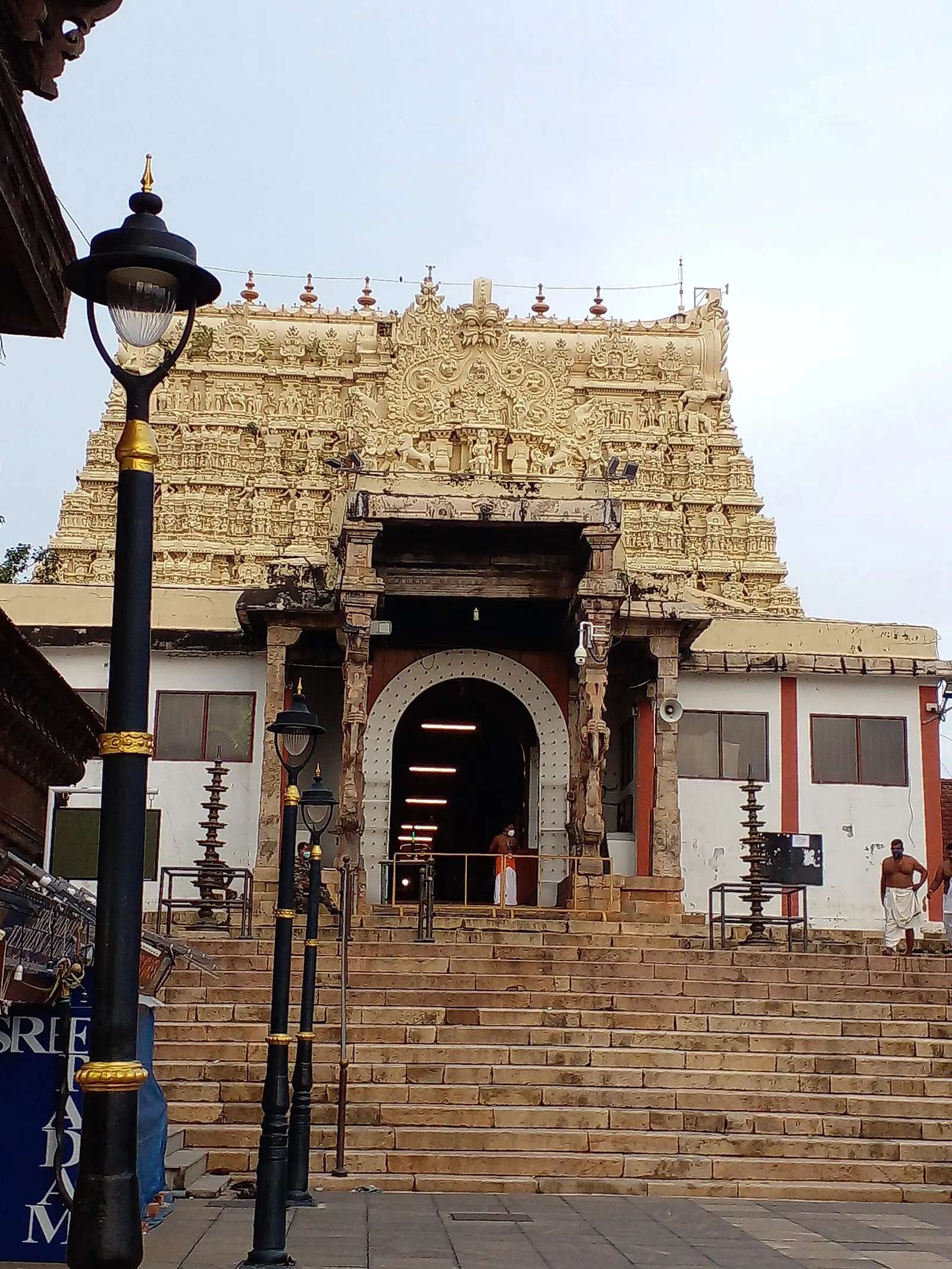
Malainadu Divya Desams
The Perumal found in Malayala Nadu are said to be Avathaars of Sri Rama, Sri Krishna and Sri Parasurama.
Explore →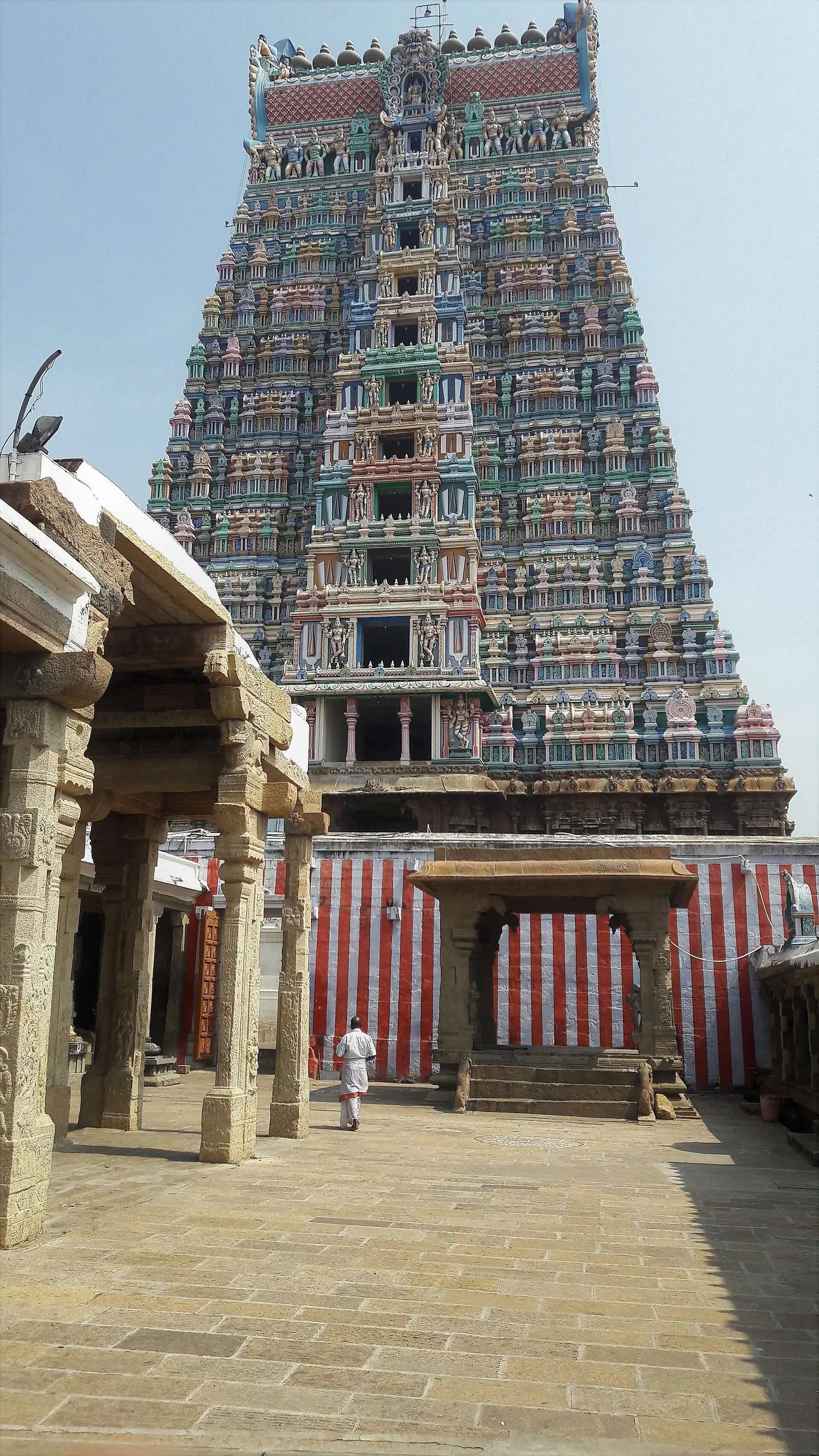
Pandiyanadu Divya Desams
18 Divyadesams found in Pandiya Naadu, with Perumal facing east direction.
Explore →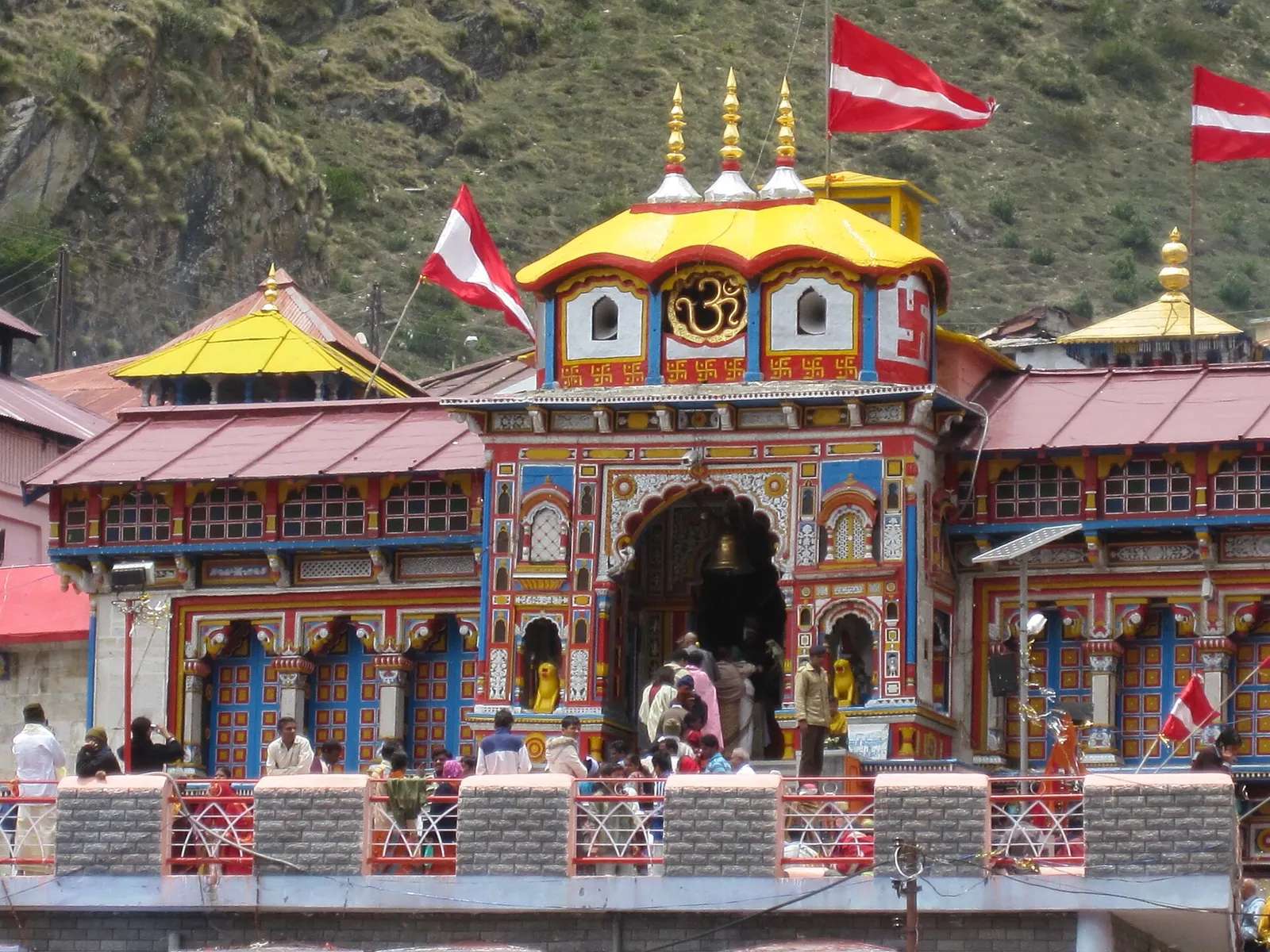
Vadanadu Divya Desams
11 Divyadesams in Vada Nadu, with Perumal seva facing 8 directions and north in 2.
Explore →
What are Divya Desams
Sacred Vishnu Temples
The 108 Divya Desams are the holiest Vishnu temples, revered across centuries as the most sacred pilgrimage sites in Vaishnavism.
Alwar Saints
Praised in the hymns of the 12 Alwar saints, these temples hold deep spiritual significance and are celebrated in the Nalayira Divya Prabandham.
Spiritual Pilgrimage
Embark on a divine journey across 14 regions covering Tamil Nadu, Kerala, Andhra Pradesh, Uttar Pradesh and the celestial world.
All Divya Desams by region
Every Divya Desam on ePanchang, region by region
Divya Desams in Kumbakonam (21)
- Sarangapani Divya Desam
- Oppiliappan Koil
- Nachiyar Koil Thirunaraiyur
- Tirucherai Saranathan Temple
- Nathan Kovil
- Velliyangudi Valvil Ramar
- Kannamangai Divya Desam
- Thirunangur Divya Desams
- Kavalampadi Rajagopalan
- Kazhiseerama Vinnagaram
- Thiru Arimeya Vinnagaram
- Thiruvanpurushothamam
- Semponsey Perarulaalan
- Tirumanimada Narayanan
- Thiru Vaikunta Vinnagaram
- Thiruvaali and Thirunagari
- Thevanaar Thogai Madavan
- Sri Seganmaal Ranganatha Perumal Temple
- Sri Varadaraja Perumal Temple
- Sri Srinivasa Perumal Temple
- Sri Thamaraiyal Kelvan Perumal Temple
Divya Desams in Kanchipuram (14)
- Thirukachi Sri Varadaraja Perumal Temple
- Sri Adhikesava Perumal Temple
- Sri Deepa Prakasa Perumal Temple
- Sri Azhagiya Singar Perumal Temple
- Thiruneeragam Divya Desam
- Sri Pandava Thoothar Temple
- Sri Nilathingal Thundathan Perumal Temple
- Sri Ulagalantha Perumal Temple
- Sri Yathothakaari Temple
- Sri Karunakara Perumal Temple
- Thirukarvanam Divya Desam
- Sri Aadhi Varaha Perumal Temple
- Sri Pavala Vannar Temple
- Sri Vaikunda Perumal Temple
Divya Desams in Malainadu (13)
- Sri Naavaay Mugundha Perumal Temple
- Sri Uyyavantha Perumal
- Sri Kaatkaraiappan Perumal
- Sri Moozhikkalathaan
- Sri Kolapira Perumal Temple
- Sri Athpudha Narayana Perumal
- Sri Imayavarappa Perumal Temple
- Sri Maayapiran Perumal Temple
- Sri Parthasarathy Perumal Temple
- Sri Paambanaiyappa Perumal Temple
- Sri Anantha Padmanabhaswamy Temple
- Sri Kuralappa Perumal Temple
- Sri Aadhikesava Perumal Temple
Divya Desams in Pandiyanadu (18)
- Sri Nindra Nambi Perumal Temple
- Sri Vaikundanatha Perumal Temple
- Sri Vijayaasana Perumal Temple
- Sri Thothatrinatha Perumal Temple
- Sri Kaaichina Vendha Perumal Temple
- Sri Aravindha Lochana Perumal Temple
- Sri Srinivasa Perumal Temple
- Sri Vaitha Maanithi Perumal Temple
- Sri Magara Nedunguzhai Kaatha Perumal Temple
- Sri Aadhinatha Swamy Temple
- Sri Vadabhatra Saayi Perumal Temple
- Sri Nindra Narayana Perumal Temple
- Sri Koodal Azhagar Perumal Temple
- Sri Kaalamegha Perumal Temple
- Sri Kalyana Jagannatha Perumal Temple
- Sri Uraga Mellanayaan Perumal Temple
- Sri Sathyagiri Natha Perumal Temple
- Sri Kallazhagar Perumal Temple
108 Divya Desams
The 108 Divya Desams are a group of sacred Vishnu temples that hold immense significance in the Vaishnavite tradition. These temples have been glorified in the hymns of the twelve Alwar (Azhwar) saints, who are believed to be incarnations of various aspects of Lord Maha Vishnu. The Nalayira Divya Prabandham, a collection of 4,000 Tamil verses composed by the Alwars, serves as the spiritual guide for devotees visiting these sacred shrines.
Regions of Divya Desams
The 108 Divya Desams are spread across multiple regions including Chola Nadu, Pandiya Nadu, Nadu Nadu, Malai Nadu, Vada Nadu, and the celestial world (Vinnulaga Thirupathigal). The majority of these temples are located in Tamil Nadu, with others found in Kerala, Andhra Pradesh, Uttar Pradesh, and Nepal. Each region offers a unique spiritual experience with its own architectural style, rituals, and historical significance.
Pilgrimage Significance
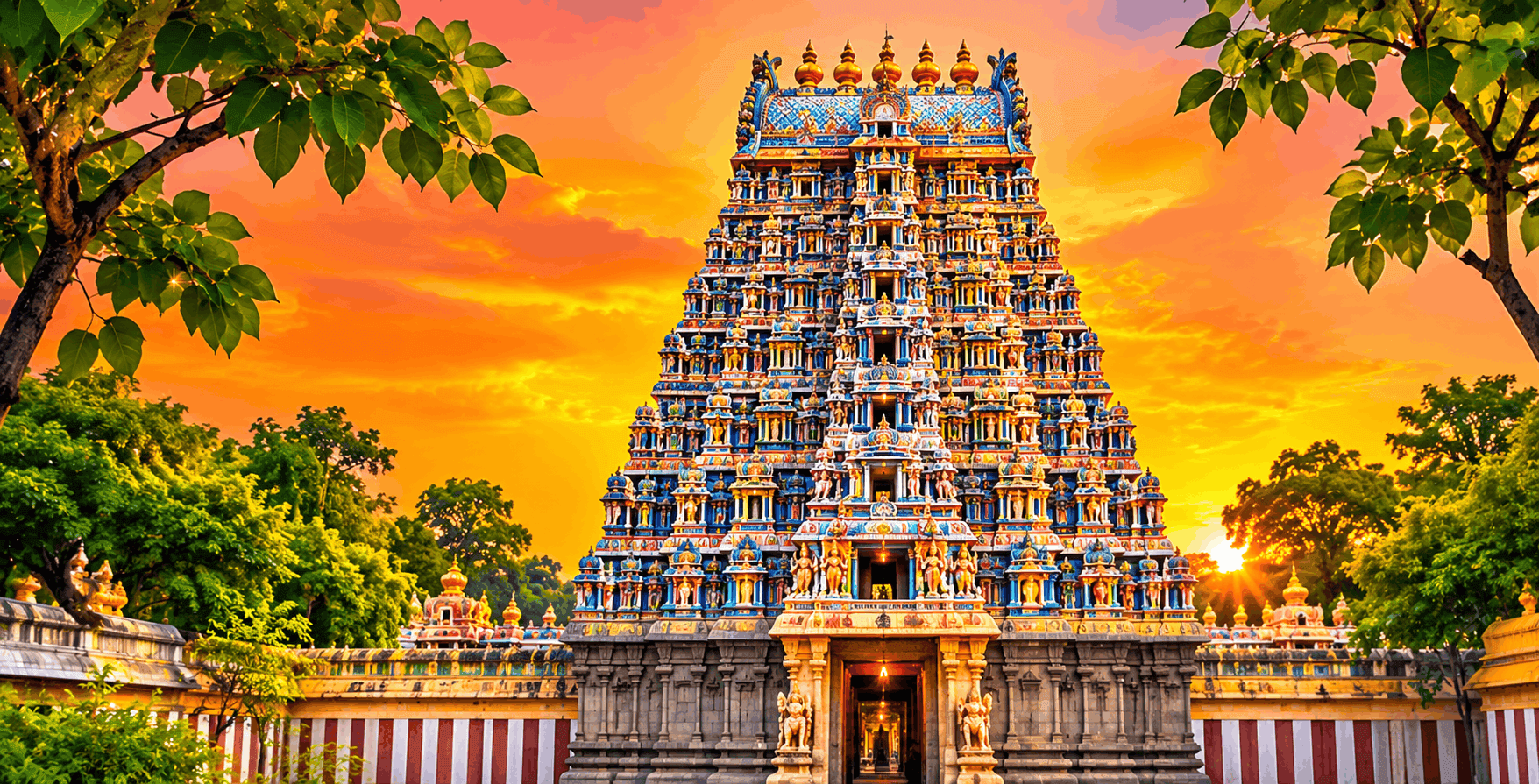
Visiting all 108 Divya Desams is considered one of the highest spiritual achievements for Vaishnavite devotees. Each temple has its own unique deity form, temple tank, and sacred tree. The temples showcase magnificent Dravidian architecture with ornate gopurams, intricate carvings, and sacred mandapams that reflect centuries of devotion and craftsmanship.
Frequently Asked Questions
View All FAQsWhat is a Divya Desam?
The Divya Desams are the 108 Vishnu temples praised in the hymns of the twelve Alwars, the Vaishnava poet-saints, collected in the Naalayira Divya Prabandham. 105 are in India, one is in Nepal (Muktinath) and two, Thiruparkadal and Paramapadam, are celestial.
Which is the first Divya Desam?
The Sri Ranganathaswamy Temple at Srirangam, near Tiruchirappalli, is the first and foremost of the 108 Divya Desams; it is called "Bhooloka Vaikuntham", Vaikuntha on earth.
How are the Divya Desams grouped?
By the old regions of the Tamil country: Chola Nadu (40, around the Kaveri delta), Pandiya Nadu (18, the south), Malai Nadu (13, Kerala and Kanyakumari), Thondai Nadu (22, Kanchipuram and Chennai), Nadu Nadu (2), Vada Nadu (11, the north, from Tirupati to the Himalayas) and the two celestial abodes.
Who were the Alwars?
The twelve Alwars were Tamil Vaishnava poet-saints who lived between about the 6th and 9th centuries and sang in praise of Vishnu: among them Nammalvar, Periyalvar, his daughter Andal, Thirumangai Alvar and Kulasekhara Alvar. Their 4,000 verses, the Naalayira Divya Prabandham, name each Divya Desam.
108 Divya Desams
The 108 Divya Desams are a group of sacred Vishnu temples that hold immense significance in the Vaishnavite tradition. These temples have been glorified in the hymns of the twelve Alwar (Azhwar) saints, who are believed to be incarnations of various aspects of Lord Maha Vishnu. The Nalayira Divya Prabandham, a collection of 4,000 Tamil verses composed by the Alwars, serves as the spiritual guide for devotees visiting these sacred shrines.
Regions of Divya Desams
The 108 Divya Desams are spread across multiple regions including Chola Nadu, Pandiya Nadu, Nadu Nadu, Malai Nadu, Vada Nadu, and the celestial world (Vinnulaga Thirupathigal). The majority of these temples are located in Tamil Nadu, with others found in Kerala, Andhra Pradesh, Uttar Pradesh, and Nepal. Each region offers a unique spiritual experience with its own architectural style, rituals, and historical significance.
Pilgrimage Significance
Visiting all 108 Divya Desams is considered one of the highest spiritual achievements for Vaishnavite devotees. Each temple has its own unique deity form, temple tank, and sacred tree. The temples showcase magnificent Dravidian architecture with ornate gopurams, intricate carvings, and sacred mandapams that reflect centuries of devotion and craftsmanship.